
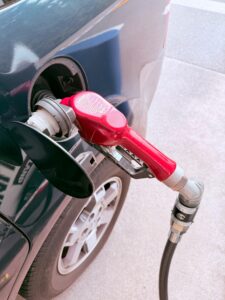
One of the biggest expenses for anyone traveling by RV is fuel. When gas or diesel prices suddenly jump, it can quickly impact your travel budget and force you to rethink your plans. For full-time travelers like us, staying flexible and adapting to those price swings is simply part of life on the road.
Over time, we’ve learned that rising fuel prices don’t have to stop your travel plans — they just require a little strategy.
Slow Down and Stay Longer
One of the easiest ways to reduce fuel costs is simply to move less often. Instead of traveling every few days, consider staying a week or even two in the same location. We have a Thousand trails membership and try to stay 14-21 days at all of our stops in Florida this season.
Staying longer has several benefits:
- Fewer fuel stops
- More time to truly explore an area
- Less travel stress
Sometimes the best experiences come from slowing down and enjoying where you are instead of rushing to the next destination. It also allows for bad weather days and not feeling rushed to take in all of the sites.
Plan Routes More Strategically
When fuel prices rise, route planning becomes even more important. Avoid unnecessary backtracking and try to plan stops that keep your route efficient.
We often map out:
- The next few destinations
- Campgrounds along the way
- Fuel stops with better prices
Traveling shorter distances between stops can also help stretch your fuel budget.
Use Fuel Price Apps
Technology can be a huge help when prices fluctuate. Apps like Gas Buddy allow you to compare fuel prices nearby and find the cheapest stations along your route. There are also diesel discount cards such as Open Roads.
Even saving a few cents per gallon can add up when you’re filling a large RV tank.
Adjust Your Travel Pace
Sometimes the best option is simply changing the timeline you are working with (when possible). If fuel prices are extremely high, it might make sense to pause and wait it out in a location you enjoy.
Many RVers take advantage of this time to:
- Explore local attractions
- Catch up on maintenance
- Work remotely
- Relax and recharge
RV life gives you the freedom to adapt your schedule.
Mix in Affordable Camping Options
Fuel isn’t the only expense to consider. If gas prices rise, balancing the budget elsewhere can help offset the difference.
Many travelers combine:
- Membership campgrounds (such as Thousand Trails, Harvest Hosts, Boondockers, etc.)
- Public lands or boondocking
- State parks
- Longer stays at affordable parks
Campground networks can help reduce overnight camping costs, allowing more room in the budget for fuel when prices spike
Drive More Efficiently
Small changes in driving habits can make a surprising difference in fuel consumption.
Helpful habits include:
- Driving at steady speeds/ using cruise control
- Avoiding rapid acceleration
- Maintaining proper tire pressure
- Reducing unnecessary weight in the RV
While these changes won’t eliminate fuel costs, they can help maximize every gallon.
Remember the Bigger Picture
Gas prices have always gone through cycles. One month they’re high, and the next they may drop again. For RV travelers, the key is staying flexible and adjusting when needed.
Traveling by RV is still one of the most rewarding ways to explore the country. Sometimes it simply means slowing down, planning carefully, and embracing the journey rather than rushing the miles.
At the end of the day, RV life isn’t just about how far you travel — it’s about the experiences you have along the way.
Have you changed your travel plans because of rising fuel prices? What strategies help you keep RV travel affordable?